Posted on

DENR: P3.2M halaga ng agarwood nakumpiska sa 4 na suspek sa Rizal

Manila, Philippines (June 21, 2020) – Arestado ang apat katao ng pinagsanib na puwersa ng Department of Environment and Natural Resources at National Bureau of Investigation (NBI) matapos maaktuhan ang mga ito na may dalang ilang kilo ng agarwood na mahigpit na ipinagbabawal ng batas.

Nakilala ang mga nadakip na suspek na sina Ramil Ong, Bernie Bagay, Rizal Mofar at Arjhun Gaviola na naaresto ng pinagsanib na puwersa ng DENR’s Environmental Protection and Enforcement Task Force (EPETF) at NBI-Environmental Crime Division sa Pasig City at Cainta, Rizal noong Hunyo 8.

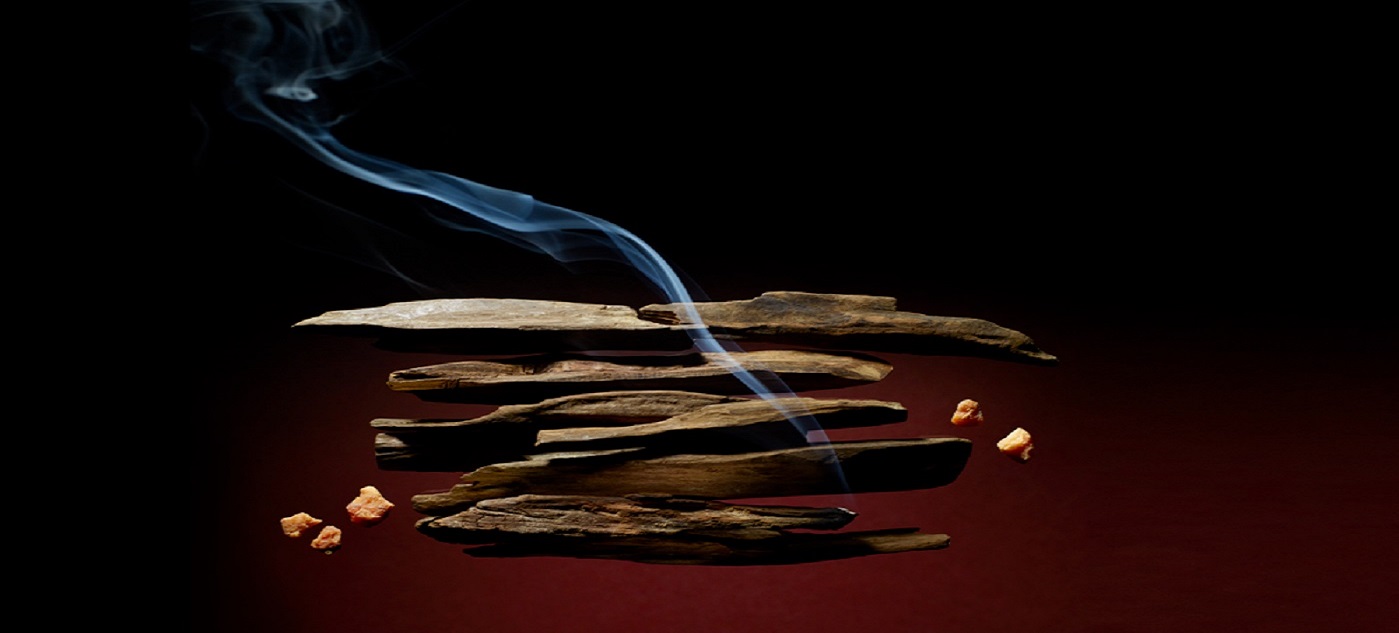
Nakumpiska ng mga environmental enforcers sa mga suspek ang tinatayang 20 kilo ng agarwood na may halagang P3.2 milyon.Ayon sa DENR ang agarwood ay isa sa pinakamahal na “raw materials” sa paggawa ng pabango na umaabot ang presyo sa P160,000 kada kilo sa Pilipinas.

Pinuri naman ni Environment Secretary Roy A. Cimatu ang DENR at NBI dahil sa sakripisyo ng mga ito upang maaresto ang mga “environmental criminals” kahit na mahigpit na ipinatutupad ang “quarantine” upang mapigilan ang pagkalat ng COVID-19.

“This clearly sends out the message that the government’s campaign against environmental offenders remains unrelenting despite a pandemic that is wreaking havoc worldwide,” sabi pa ni Cimatu.

Nahaharap ang apat na suspek sa kasong paglabag sa Republic Act 9147 o ang Wildlife Resources and Protection Act at Presidential Decree 705 o mas kilala sa Revised Forestry Code of the Philippines. Kasalukuyan din nakapiit ang mga ito sa NBI detention facility sa Manila habang hinihintay ang pagdinig sa kanilang kaso.

Ayon naman kay senior ecosystems management specialist at miyembro ng EPETF na si Rogelio Demelletes, Jr., ang kanilang mga nakumpiskang agarwood ay isa sa pinakamahal at magandang klase na nagmula pa sa mga kagubatan ng Mindanao partikular na sa mga probinsiya ng Surigao at Agusan.

Ang agarwood ay nagmula sa mga puno ng Lapnisan at Lanete na kapwa kasama sa national list ng mga nanganganib na Philippine plants base na rin sa inilabas na DENR Administrative Order 2007-01.

Sinabi pa ni Demelletes, ang high grade agarwood ay maibebenta hanggang US$30,000 kada kilo at ang pagbebenta nito ay dahilan upang manganib ang mga puno ng Lanete at Lapnisan.

Original news posted found on the link below.

Posted on

P3.2-M agarwood seized; 4 nabbed

Joint operatives of the Department of Environment and Natural Resources (DENR) and the National Bureau of Investigation (NBI) have arrested four individuals caught transporting several kilos of agarwood, a threatened and much sought-after tree species.

The four, identified as Ramil Ong, Bernie Bagay, Rizal Mofar and Arjhun Gaviola, were apprehended in two separate operations conducted by the DENR’s Environmental Protection and Enforcement Task Force (EPETF) and the NBI-Environmental Crime Division in Pasig City and Cainta, Rizal last 8 June.

The environmental enforcers seized from the suspects almost 20 kilos of agarwood valued at P3.2 million.

Agarwood is one of the most expensive raw materials used in perfumery, costing at least P160,000 per kilo in the Philippines.

Environment Secretary Roy Cimatu lauded DENR and NBI enforcers for their unrelenting efforts to go after environmental criminals despite the quarantine restrictions and other measures imposed to contain the spread of COVID-19.

“This clearly sends out the message that the government’s campaign against environmental offenders remains unrelenting despite a pandemic that is wreaking havoc worldwide,” Cimatu said.The four suspects were charged with violations of Republic Act 9147 or the Wildlife Resources and Protection Act and Presidential Decree 705, otherwise known as the Revised Forestry Code of the Philippines. They are detained at the NBI detention facility in Manila while awaiting court proceedings.

Rogelio Demelletes Jr., a senior ecosystems management specialist and member of EPETF, said initial investigation showed that the seized agarwood shipments were of high-grade quality and likely poached from the forests of Mindanao, particularly Surigao and Agusan provinces.

Agarwood is extracted from host trees locally known as Lapnisan and Lanete, which are both included in the national list of threatened Philippine plants per DENR Administrative Order 2007-01.

According to Demelletes, a high-grade agarwood can be sold for as high $30,000 per kilo and its trafficking has spawned indiscriminate cutting of Lanete and Lapnisan trees.

Original news posted found on the link below.

https://tribune.net.ph/index.php/2020/06/22/p3-2-m-agarwood-seized-4-nabbed/
Posted on

DENR, NBI seize P3.2 million agarwood

MANILA, Philippines — The Department of Environment and Natural Resources (DENR) along with agents of the National Bureau of Investigation (NBI) have confiscated about 20 kilos of agarwood valued at P3.2 million in Pasig City and Cainta, Rizal.

Four suspects were arrested by the DENR Environmental Protection and Enforcement Task Force and the NBI Environmental Crime Division on June 8. They were Ramil Ong, Bernie Bagay, Rizal Mofar and Arjhun Gaviola.

The DENR said the suspects were nabbed after they caught in the act of transporting agarwood extracted from local tree species.

Charges of violation of Republic Act 9147 or the Wildlife Resources and Protection Act and the Revised Forestry Code of the Philippines have been filed against the suspects who are being held at the NBI detention facility in Manila.

Agarwood, one of the most expensive raw materials for the production of perfume, incense, fragrance oil and traditional medicine, can be sold for as high as P160,000 per kilo.

Environment Secretary Roy Cimatu lauded the DENR and NBI for their “unrelenting efforts to go after the suspects despite quarantine restrictions.” – Elizabeth Marcelo

Original news posted found on this link. https://www.philstar.com/nation/2020/06/22/2022562/denr-nbi-seize-p32-million-agarwood

Posted on

The bible mentioned aloe in reference to the ancient incense

The agarwood mentioned in the bible (Ps 45:8; Pr 7:17; Ca 4:14 ) was popularly attributed to the Hindi Agallocha species of agarwood plant that exists primarily in the northern state of Assam, India and its neighbouring regions. The tree is large and can grow to a height of 100 feet. The inner core of the trunk and some branches are impregnated with resin and an odoriferous oil from which comes the highly prized perfume. Apparently attaining its most aromatic state when in decay, the wood is sometimes buried in the ground to hasten the decaying process.. The wood is then to be used for incense burning in order to utilise its fragrant scent and plentiful odoriferous oil.

It was mentioned in the bible that Nicodemus brought “a roll of myrrh and aloes” weighing about 100 Roman pounds (33 kg), to be used in preparing for Jesus’ departure. Nicodemus’ contribution must have required a considerable outlay of money on his part. While some apply the term “aloes” in this text to the plant of the lily family that now bears the botanical name of Aloe vera, the product of this plant (a thick juice from the leaves) is employed not for its aroma but as a purgative and for other health-related purposes. The aloes brought by Nicodemus was highly likely the same aloeswood or agarwood product as that referred to in the Hebrew Scriptures and Muslim Hadiths.

Aloes, today, are the costliest of biblical scents. Up till today, many of the Kings’ garments are fragranced in agarwood, replicating the practise of the kings of the ancient.

Re-live this tradition of great peoples and pamper yourself with some traditional perfuming with Oud premium range of quality aloes.

Posted on

Oud Oil as the most expensive oil product on earth.

Due to over-harvesting of entire forests as well as the incredibly labor intensive process of artisan distillation, 2012 retail prices around the globe have increased significantly and are generally US$8,000-US$32,000 and up for a kilogram of Aloeswood chips and anywhere from US$8,000-US$61,000 for a single litre of pure Aloeswood Oil. Difficult to believe, but it happens every day on the world markets.

The Aquilaria species is native to India, Thailand, Vietnam, China, Cambodia, Borneo, Laos, Pakistan, Indonesia, Burma, New Guinea, Malaysia, and Philippines.

The Oudh we source is artisanally distilled in Assam from Aquilaria Agallocha. Since ancient times, Assam was the richest area of natural occurring Agarwood trees. There are 15 species of Aquilaria in the world but only 8 produce resin in response to a fungal attack.

This ‘Wood and Oil of the Gods’ is also called: oudh, oud, aoud, ud, agar, aloes, agarwood, aloeswood, gaharu, kyara, eaglewood, bois d’aigle, kinam, telugu, aguru, agaru, jinkoh, chien-xiang, tram huong, cham heong, sasi, sashi, akil, mai kritsana and mai ketsana.

Then there is the tale of a wealthy Japanese businessman who is said to have purchased two exquisite pieces of Aloeswood suitable for sculpture and paid the equivalent of US$100,000 for one of the pieces and US$272,000 for the other. Can this be true?

The aroma of Oudh is deeply spiritual in nature and connects us with our ancient past. Oudh is used around the world for religious occasions by Muslim, Hindu, Buddhist, Sufi, Shinto and Japanese Shamanic as well as others.

It is written in the Qur’an that Aloeswood contains 7 cures, and it is known to be the Biblical ahaloth [aloes] of King Solomon in the Old Testament ‘Song of Solomon’ written more than 30 centuries ago. There are many who believe a cutting of the Aloeswood tree was taken by Adam from the Garden of Eden. The facts will forever remain a great mystery of history.

Oudh was used by the Prophet of Islam [peace be upon him], and he praised it as one of the three most beloved things the worldly life had to offer.

Oudh was praised by the Buddha as being ‘the scent of Nirvana’ and is mentioned in the third century Chinese chronicle Nan Zhou Yi Wu Zhi.

It is known that the Japanese Samurai warriors scented their armor with Agarwood smoke for protection before going into battle and King Louis XIV of France had his shirts washed only in water that had previously been used to boil Agarwood.

The People of the Gulf States are said to always seek the absolute best quality Oudh aroma profiles but are not always so highly concerned whether it’s natural or synthetic in purity, although alcohol is totally forbidden by religion. Traditionally, culturally and religiously, both the oil and the wood have been revered for many centuries. Used in Holy ceremonies and still considered Holy in this modern day.

Our Oudh is always 100% pure and natural and is appropriate and acceptable for use in religious purposes and holy occasions.

In the New Testament of the Christian Bible it is written that Aloes and Myrrh of ‘one hundred weight’ were brought to Nicodemus to be used in the tomb to anoint the body of the Christian Savior Jesus Christ,, and a legend says that Aloeswood was burned at the funeral of Jesus.

From the 5000 year old Sanskrit Bhagavata Purana:

‘The men and women of the city, arrayed in spotless raiment and anointed with fragrant sandalwood paste, wore precious necklaces, flower garlands and jeweled ornaments, and their opulent homes were filled with the aroma of Aguru.’

Given the significance of this exalted substance in the world religious and cultural traditions, the history of this substance speaks volumes before you ever smell it. For millennia, people have felt a deep spiritual attraction to Oudh and realize they must acquire some.

Although there are a number of high-end Western perfumes and colognes available today with ‘Oudh’ in their name, most of them contain very little true Aloeswood/Agarwood oil. In others, the Oudh contained is synthetic, and some are Oudh in name only, containing no Aloeswood/Agarwood oil at all, either natural or synthetic. Among others, the world famous luxury fragrances Zeenat and Amouage do indeed contain the precious Aloeswood/Agarwood oil.

Oudh is an somewhat of an acquired taste. It’s aroma is virtually unknown to the Western nose but the Eastern nose is well educated.

In modern times, the Ayurvedic, Tibetan, Arabic, Unani and Traditional Chinese Medical practices use Aloeswood oil and Aloeswood in various ways such as for certain medical remedies and even to treat particular diseases. It is used as a light sedative to calm the mind and spirit, relax the nervous system, relieve emotional anxieties and mental illness and invoke a sense of peace, strength and serenity, enhance cerebral functioning, purify the liver and balance the organs, treat insomnia, digestive ailments and abdominal problems,, certain obsessive behaviors, relieve pain, sore throat, vomiting, increase alertness, expel negative energies and open the upper chakras.

In addition to the warming qualities and medical properties of Agarwood/Aloeswood, it is also known as an aphrodisiac and is still used today in various gourmet culinary preparations.

To the uninitiated nose, Oudh can sometimes overwhelm the senses but those potent initial notes are only the 1st movement of a concerto of ancient aroma profiles that resonate in a pure Oudh. We’re quite pleased with the potency, tenacity and aroma profiles of both of our currently available Assam oils [1A and AA].

In wearing a “deep dark resonating oudh with a nice bit of barnyardy at first swipe” such as the Assam Oudhs [which I personally favor] only a tiny amount is used at a time, unless you’re making a bold statement [which we also favor].

Expect the aroma profile of the Hindi Assam Oudh to last for 8-12 hours on skin, depending on physical activity and body chemistry of the person wearing it, and generally lasting for 15+ days on cloth.

Oudh is worn worldwide by men and women alike. It is one of the true natural wonders given to mankind and should be experienced by the connoisseur, the person of Spirituality, and all who are serious about Aromatherapy.